Card Shop Vs. Private Sports Card Buyer
Compare storefront convenience with an in-home collection buyer by inventory fit, collection size, travel, loading, payment, and the cards each buyer may accept.

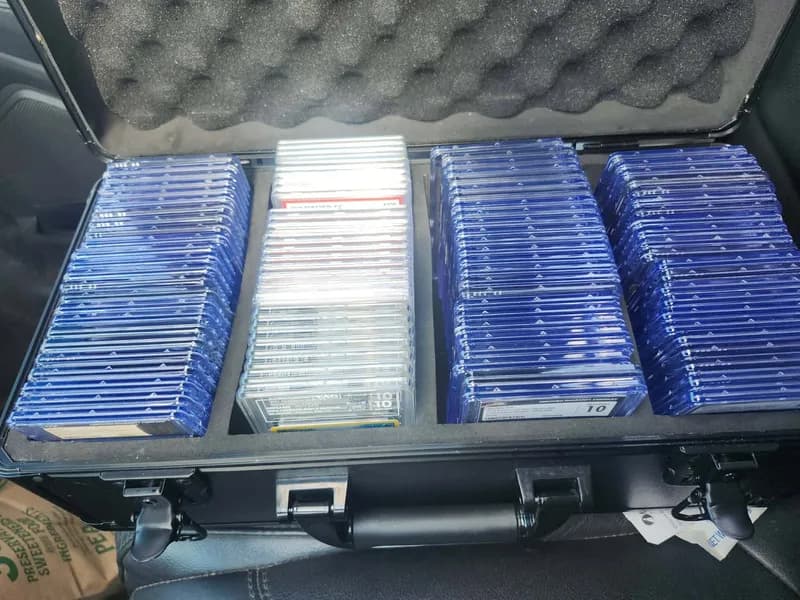
A card shop and a private collection buyer can both provide a fast local sale. The better fit depends on the cards, collection size, whether you can transport it, and whether the buyer wants the whole group.
A shop serves customers from a storefront and buys inventory that fits its space and sales channels. A traveling buyer can inspect a collection where it is stored and can plan around boxes, totes, stairs, and loading.
Neither model is automatically better. Compare the actual process and offer for your collection.
Card Shop And Private Buyer Compared
Call before moving cards. Each business has its own categories, purchase limits, appointment rules, and cash needs.
| Factor | Card Shop | Traveling Private Buyer |
|---|---|---|
| Location | Seller usually brings cards to the store | Buyer comes to the collection for qualifying purchases |
| Best fit | Small groups and inventory that matches store customers | Complete, inherited, bulk, and large mixed collections |
| Selection | May purchase selected cards or categories | May purchase the entire collection when it fits |
| Loading | Seller usually transports the cards | Buyer can plan and handle loading |
| Offer | Based on the shop's resale plan and costs | Based on the buyer's resale plan, costs, travel, and labor |
| Convenience | Strong when the collection is small and the shop is close | Strong when the collection is too large or difficult to move |
When A Card Shop May Fit Better
A shop can fit a small group of popular cards, sealed boxes, or graded singles that match its customers. The seller may receive an answer quickly without scheduling an in-home visit.
Ask whether an appointment is required and which products the store currently buys. Do not assume the store has space for a carload of common cards.
When A Traveling Buyer May Fit Better
A traveling buyer can fit large, inherited, mixed, or bulk collections that are hard to transport. Photos help the buyer qualify the trip and bring the right vehicle and loading help.
Confirm whether the buyer plans to purchase everything or only selected cards. A whole-collection offer can prevent common boxes from becoming the seller's remaining problem.
Questions To Ask Both Buyers
Use the same questions so you can compare the two offers and processes fairly. The answers should cover both money and the work required from you.
- Inventory fit: which sports, eras, products, and collection sizes do you buy?
- Collection scope: will the offer include every box or only selected cards?
- Evidence: which completed sales and condition factors support the number?
- Payment: how and when is final payment confirmed?
- Transport: who packs, carries, loads, and moves the collection?
Choose Based On The Complete Result
Compare the price, seller labor, travel, loading, cards accepted, and cards left behind. A convenient store offer may win for ten strong cards, while an in-home complete sale may win for ten thousand mixed cards.
Verify either buyer before the transaction. Reviews, consistent business details, clear payment terms, and control of the cards until payment matter in both settings.