
Where To Sell Sports Cards
Compare direct buyers, card shops, eBay, consignment, auctions, card shows, and private sales by likely net, workload, timing, risk, and leftover cards.

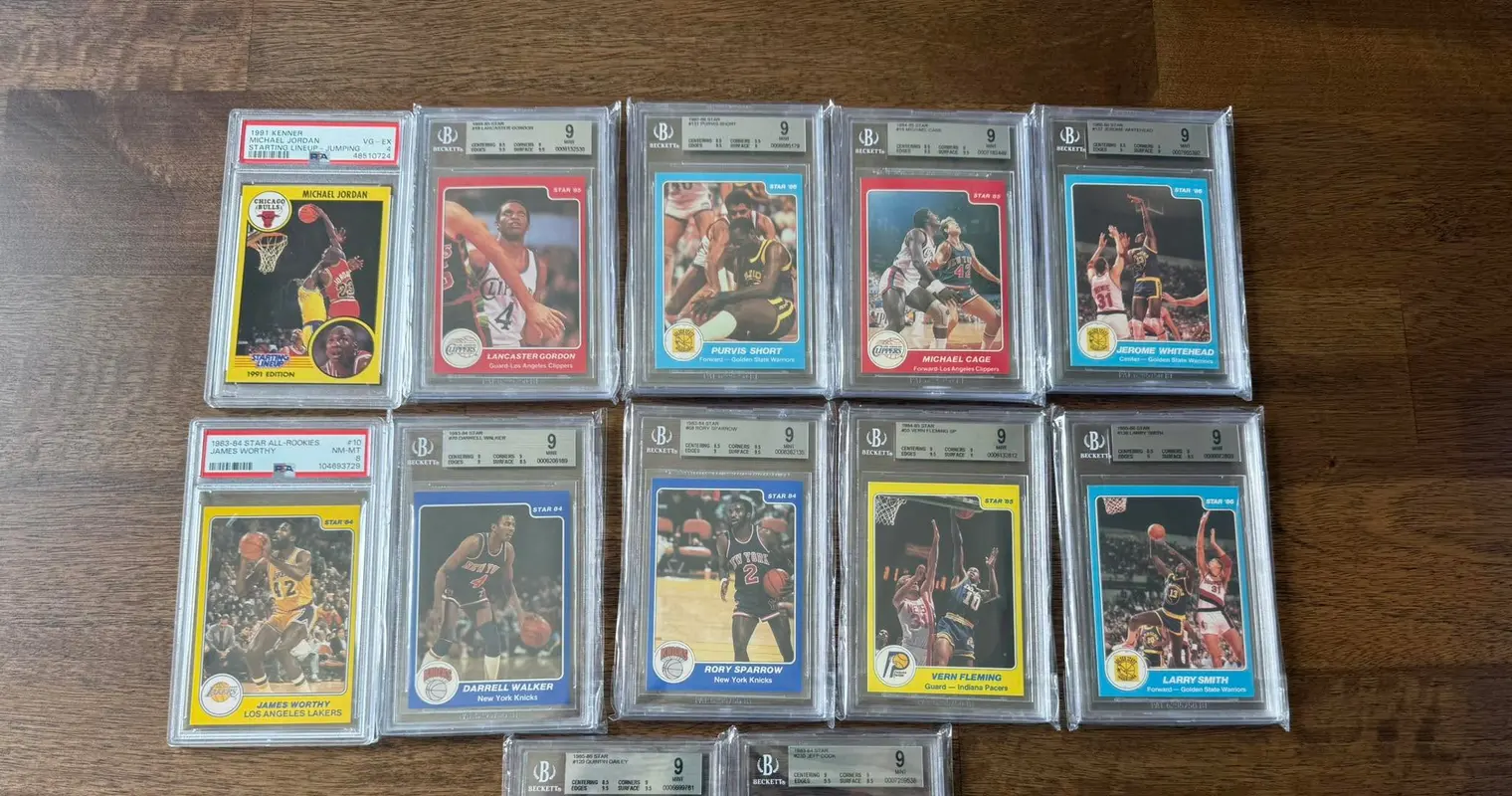
The best place to sell sports cards depends on what you have and what you want from the sale. A single graded star, a modern case hit, and a room filled with mixed boxes should not follow the same sales plan.
The highest public sale price is only one part of the result. Fees, shipping, research, listing work, returns, travel, slow sales, and leftover cards determine how much money and time the seller actually keeps.
Use this comparison to match the sales channel with the collection, your deadline, and the amount of work you are willing to do.
Sports Card Selling Options Compared
Each channel serves a real purpose. The important question is whether its buyer pool, terms, and workload fit the cards you need to sell.
| Sales Channel | Best Fit | Seller Work | Main Tradeoff |
|---|---|---|---|
| Direct collection buyer | Complete collections and one-transaction sales | Low | Cash offer is below the possible retail total |
| Local card shop | Small groups, popular singles, and quick local sales | Low | The shop may select only inventory that fits its customers |
| eBay or another marketplace | Cards with clear demand and sellers who can list and ship | High | Fees, returns, account history, shipping, and unsold inventory |
| Consignment | Valuable cards that fit the consignor's audience | Medium | Commission, payout timing, and seller control |
| Specialty auction | Rare, high-value, or historically important material | Medium | Seller fees, buyer fees, timing, and uncertain final bids |
| Card show | Collectors with priced inventory and time to travel | High | Table access, travel, negotiation, security, and leftovers |
| Private sale | Known buyers and clearly identified cards | Medium | Payment, personal safety, disputes, and limited reach |
Selling To A Direct Collection Buyer
A direct buyer fits sellers who want one price, one payment, and no remaining boxes. The buyer takes responsibility for sorting, research, selling fees, shipping, storage, returns, and cards that take a long time to sell.
The offer should be compared with a realistic net from the other channels, not with the sum of optimistic asking prices. Ask how the buyer reached the number, what is included, how payment works, and whether the buyer handles pickup and loading.
Selling To A Local Card Shop
A shop can be convenient for a small group of cards that matches its inventory. Stores know their regular customers and may make quick offers on products they can place in the display case or sell through their own channels.
A shop may not have the space or labor for a large mixed collection. Call before carrying in boxes, ask what categories the shop buys, and confirm whether it purchases complete collections or only selected cards.
Selling Sports Cards Online
Online marketplaces can reach many buyers and can produce strong gross sales for cards with clear demand. The seller must identify each card, take photos, write listings, set prices, answer questions, pack safely, ship on time, and manage disputes or returns.
Account reputation matters. A new seller may not earn the same bidder trust as an established account, especially on expensive or commonly counterfeited cards. Calculate marketplace fees, payment costs, supplies, postage, insurance, and the value of your time before choosing this route.
Using Consignment Or An Auction
A consignor or auction company can supply photography, cataloging, buyer trust, and access to a specialized audience. This can fit rare cards or a focused high-value group when the company has a strong record in that exact category.
Read the commission schedule, insurance terms, reserve policy, return rules, payment timeline, and unsold-item terms. A large audience does not guarantee a high final bid, and the seller gives up some control over timing and presentation.
Selling At A Card Show Or Through A Private Buyer
Shows let sellers speak with several dealers and collectors in one place. They work best when the cards are organized, priced, portable, and strong enough to justify the travel and time.
Private transactions can avoid marketplace fees, but the seller must verify the buyer, payment, meeting place, and transfer. Keep valuable cards secure, meet in a safe setting, and do not surrender the cards before payment is confirmed.
How To Choose The Right Channel
Start with the cards that hold most of the value. A hybrid plan may fit when a few exceptional cards belong at auction or online and the remaining collection belongs in one complete sale.
- Choose speed: favor a direct buyer or shop when a clear, prompt transaction matters most.
- Choose control: sell online or privately when you want to set prices and manage each transaction.
- Choose specialist reach: consider a proven consignor or auction company for rare, high-value cards.
- Choose a hybrid: separate a small number of major cards only when the extra net justifies the added work.
For a complete collection, get the full scope into the first conversation. Photos of every box and the likely highlights give each buyer enough information to say whether the collection fits its business.