
eBay Vs. Selling Sports Cards To A Buyer
Compare eBay's retail price ceiling with a direct cash offer after fees, listings, account trust, shipping, returns, time, risk, and unsold cards.

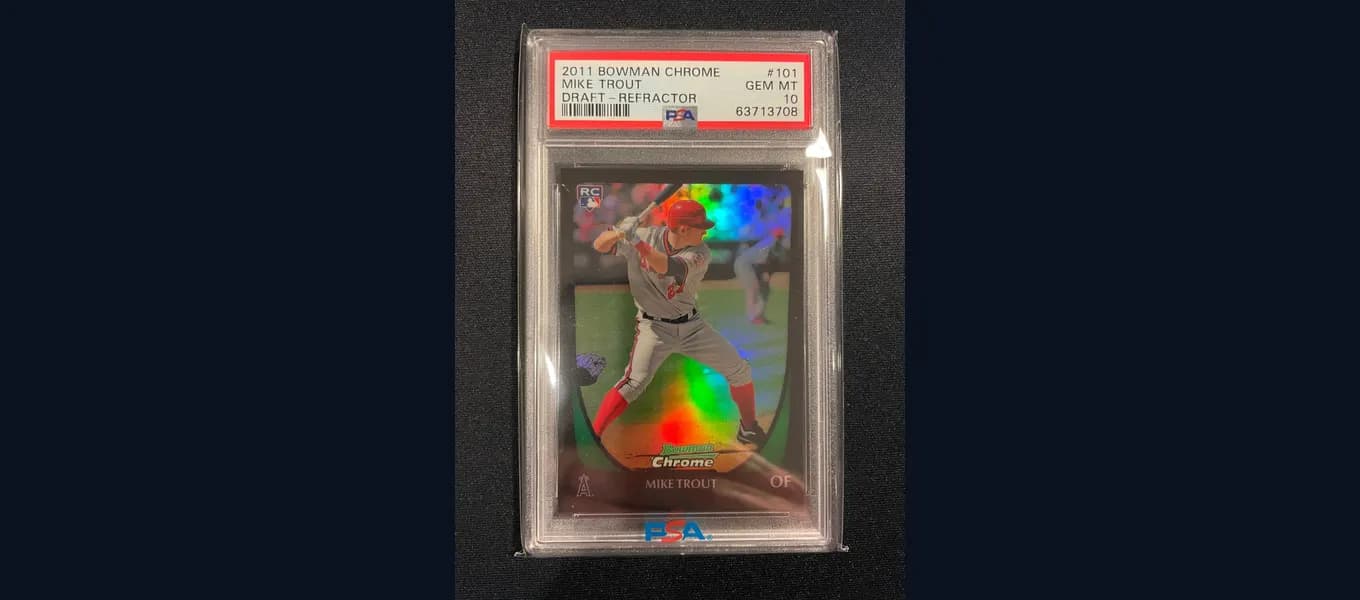
eBay can expose a sports card to many buyers and can produce a strong gross sale for cards with clear demand. A direct buyer offers less than the possible retail total but pays the seller once and takes over the selling work.
The choice should compare expected net, seller time, account trust, shipping, returns, risk, and the inventory that may remain. The highest completed sale is not the amount every seller will keep.
Use eBay for the cards that justify individual transactions and a direct buyer when one complete sale better fits the collection and your goal.
eBay And A Direct Buyer Compared
The two methods place the selling work on different sides of the transaction. That work explains much of the difference between a retail sale and a cash offer.
| Factor | Sell On eBay | Sell To A Buyer |
|---|---|---|
| Price | Possible retail sale price | Cash offer below expected resale value |
| Fees | Marketplace, payment, promoted listing, and shipping costs | Buyer handles future selling costs |
| Work | Research, photos, listings, messages, packing, and records | Photos and one collection review |
| Time | Sales occur one by one | One transaction when both sides agree |
| Trust | Seller account history affects buyer confidence | Buyer identity and business history affect seller confidence |
| Risk | Returns, disputes, damage, loss, and price changes | Offer decision and payment verification |
| Leftovers | Slow and common cards may remain | None when the buyer purchases the complete collection |
When eBay Can Make Sense
eBay can fit a card with a clear identity, strong completed sales, and enough value to justify the listing and shipping work. Established seller feedback can help expensive cards attract bidder confidence.
Use exact year, set, card number, variation, grading company, grade, and condition. Clear photos and accurate descriptions reduce disputes but cannot remove return or shipping risk.
Calculate The Expected Net
Start with a realistic completed-sale range, then subtract marketplace fees, payment costs, postage, insurance, supplies, promotions, returns, and losses. Include the value of the time required to create and service the listing.
Repeat the math for every card you plan to list. A method that works for five valuable cards may fail for five thousand common cards.
When A Direct Buyer Can Make Sense
A direct buyer can fit complete collections, inherited cards, bulk, and sellers who want one clear payment. The buyer takes the risk that cards sell slowly, sell for less, get returned, or never sell.
Ask how the buyer reached the offer and compare it with your realistic online net. The difference pays for the buyer's labor, costs, time, storage, and risk.
A Hybrid Plan For Strong Singles
You can list a small group of exceptional cards and sell the rest together when the extra expected net justifies the work. Define the excluded cards before asking for a collection offer.
Do not remove hundreds of modest stars based only on asking prices. The remaining collection may become less attractive while the seller inherits a large listing job.