
Which Wrestling Cards Are Worth Money?
Wrestling card value depends on the performer, promotion, exact issue, early-card status, scarcity, autograph certification, condition, grade, and completed sales.

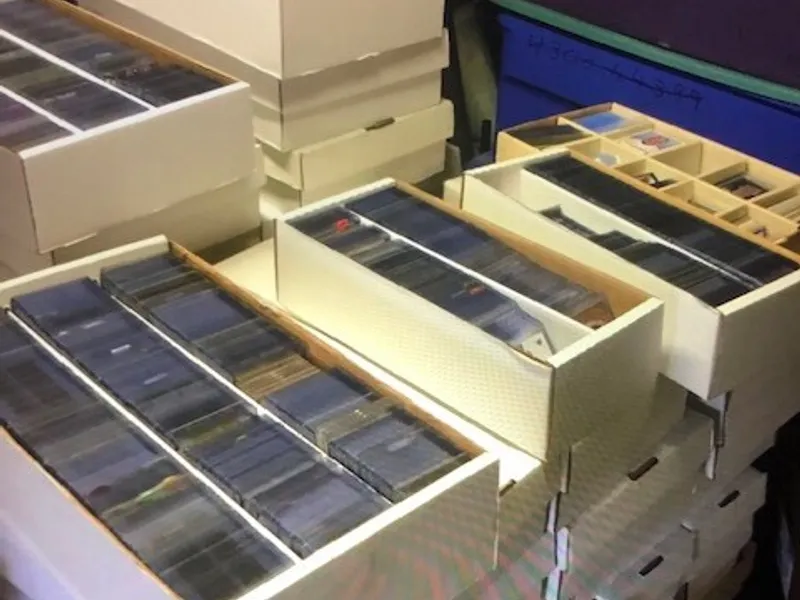
Wrestling cards most likely to be worth money include important vintage and regional issues, recognized early cards, scarce sets, major performers, certified autographs, low-numbered parallels, rare inserts, and strong graded copies. The performer's fame helps, but exact issue and supply separate a key card from an ordinary one.
Wrestling history spans promotions, territories, magazines, food products, card manufacturers, and modern licensed releases. That creates several possible first-card claims for one performer and makes checklist work important.
Identify The Promotion Year And Set
Record the promotion or territory, year, manufacturer or publisher, set name, performer, card number, and country or region. Keep wrappers, albums, panels, and checklists because they can identify issues that carry little information on the card itself.
Compare a card only with the same release. A later tribute design, reprint, magazine card, food issue, and mainstream card can show similar photographs without sharing value.
Rookie Card Claims Can Refer To Different Firsts
One listing may call a performer's first regional issue a rookie, another may use the first national set, and a modern manufacturer may apply an RC mark to a later licensed card. State exactly which first the card represents and check whether earlier issues exist.
Buyer demand may settle around one recognized card even when hobby definitions differ. Completed sales for the exact issue are stronger evidence than a broad rookie claim.
Vintage Regional Issues May Need Specialist Identification
Older wrestling material can include small regional sets, hand-cut panels, paper-stock releases, promotional items, and cards distributed with food or magazines. Original dimensions, cut style, paper, printing, backs, and set context help separate genuine items from later reproductions.
Do not trim rough edges, erase writing, flatten creases, or remove cards from old albums. Alteration can reduce buyer confidence and destroy evidence about how the item was issued.
Modern Products Separate Base Cards From Hits
Modern wrestling checklists can contain base cards, color parallels, numbered versions, future-star subsets, inserts, certified autographs, and relic cards. Official Topps WWE checklists, for example, list base and autograph-parallel categories separately.
Read both sides for the card code, serial number, autograph certification, and memorabilia statement. A bright foil finish may be a common parallel, a scarce parallel, or only the base design.
| Card Type | Evidence To Capture | Price Match |
|---|---|---|
| Vintage issue | Front, back, dimensions, set context, and defects | Same issue and similar condition |
| Certified autograph | Front, back, certification statement, and signer | Same autograph set and parallel |
| Numbered parallel | Card number, color or pattern, and full serial stamp | Same serial tier when possible |
| Graded card | Full holder and certification label | Same company and numerical grade |
Autograph Evidence Changes Buyer Confidence
A manufacturer-certified autograph is documented as part of the card product. A signature added later needs credible third-party authentication or other persuasive evidence. A photograph of someone signing a different item is not authentication for the card in hand.
Keep certificates and original packaging with the card. Show any fading, smearing, skipping, surface damage, or writing that could affect presentation.
Performer Demand And Scarcity Work Together
Hall of Fame status, career importance, memorable characters, cross-promotion history, and an active collector base can support demand. Scarcity still needs evidence. A famous performer may have many inexpensive base cards along with a few hard-to-find early issues or autographs.
Modern demand can change with appearances, storylines, returns, retirements, and collector attention. Use recent sales, but do not assume one temporary spike establishes a permanent price.
Condition And Grade Affect The Sale Range
Vintage paper cards may have creases, stains, rough cuts, paper loss, writing, rounded corners, and poor centering. Modern cards may show scratches, dents, print lines, edge chips, and damaged corners.
For graded cards, match the grading company and number. For raw cards, use sales with clearly similar wear. A clean front photo alone cannot show back damage or surface alteration.
Use Completed Sales Instead Of Asking Prices
Search the performer, year, set, card number, version, autograph details, serial number, and grade. Exclude reprints, unrelated releases, active listings, and group lots unless the item in hand is also a lot.
Use several matched results when possible and note accepted offers, shipping, buyer premiums, authentication, and unusually weak or strong presentation.
How To Present A Wrestling Collection
Show the total quantity, storage, approximate eras, complete sets, albums, wrappers, sealed products, oldest cards, major performers, graded cards, autographs, and serial numbers. Keep original groupings intact.
We buy wrestling cards by themselves and inside mixed sports collections. Clear photos let us screen the likely value without requiring a full inventory before an in-person cash purchase.