
How Condition Affects Sports Card Value
Check centering, corners, edges, surface, print quality, creases, stains, and alteration before comparing the value of raw or graded sports cards.

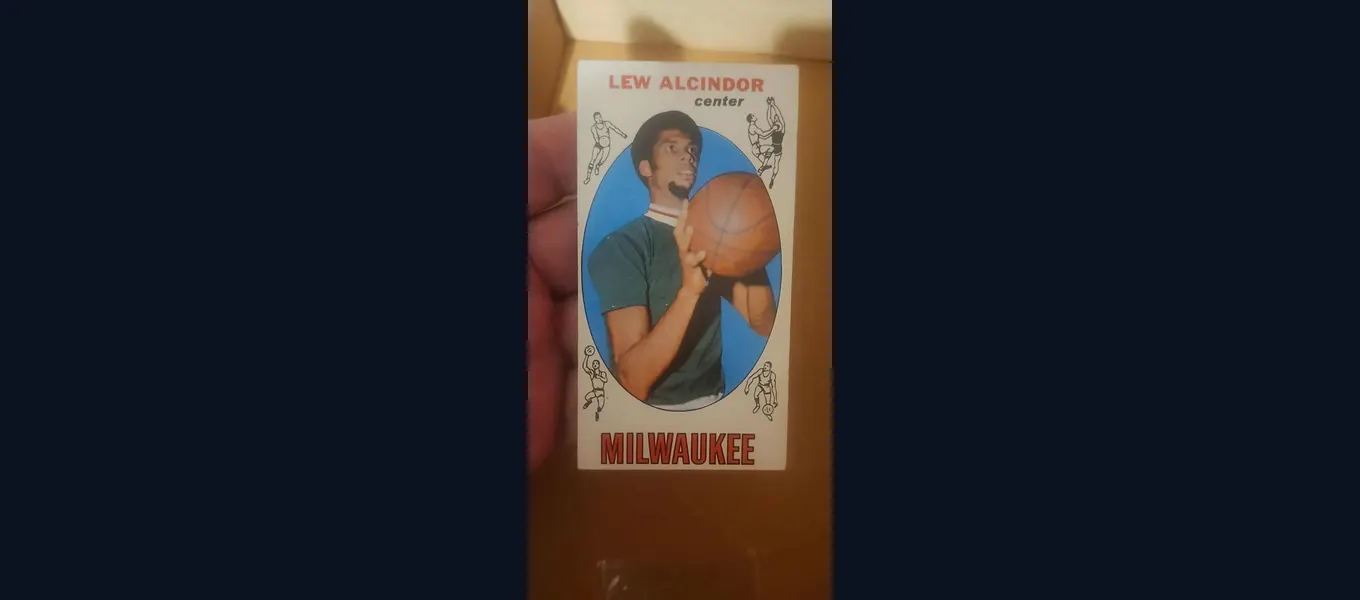
Condition changes value most when collectors already want the card. A sharp copy of a key rookie can sell for more than a worn copy, but perfect condition does not create strong demand for a card that is common and easy to find.
Review condition only after you identify the exact card. Then compare it with sales for the same card in a similar condition or the same third-party grade.
Use bright indirect light and inspect both sides. Do not clean, press, trim, erase, recolor, or apply chemicals to a card.
The Four Main Condition Areas
Collectors and grading companies focus on centering, corners, edges, and surface. Each area can contain defects that are hard to see in a distant photograph.
| Area | What To Check | Common Problems |
|---|---|---|
| Centering | Compare the border width from side to side and top to bottom. | Off-center image, tilted cut, or a border missing on one side |
| Corners | View each corner from the front, back, and side under light. | Rounding, white tips, bends, layers that have split, or crushed stock |
| Edges | Follow all four edges and check the cut on both sides. | Chipping, whitening, dents, rough cuts, peeling, or trimming |
| Surface | Tilt the card so light moves across the full front and back. | Scratches, scuffs, dimples, stains, print lines, indentations, or gloss loss |
Creases And Structural Damage Matter Heavily
A crease changes the card stock, even when it appears only under angled light. Bends, dents, pinholes, paper loss, tears, and water damage can also reduce value sharply.
Check cards inside binders for pressure marks and cards inside screw-down holders for flattening. Do not remove a valuable card from an unfamiliar holder if doing so could damage it.
Factory Defects Still Affect The Result
A defect does not disappear because it happened during production. Print dots, roller lines, poor focus, missing ink, rough cuts, and wax or gum stains may all affect buyer demand or a numerical grade.
Some errors and variations are collectible because the card itself is a recognized issue. Random printing flaws are different and usually do not create rarity that buyers pay for.
Alteration Can Be Worse Than Honest Wear
Trimming, recoloring, pressing, rebuilding corners, adding gloss, or removing surface material can cause a card to receive an altered designation or no numerical grade. Buyers also discount cards when authenticity or originality is uncertain.
Leave dirt, pencil marks, wax, and residue alone unless you have specific expertise. An honest low-grade card is easier to explain and compare than one with suspected work.
Condition Standards Change By Era And Product
Vintage cards often survive with wear, so buyers may accept defects that would be severe on a modern card. Scarcity and demand still determine whether that lower-grade copy has value.
Modern cards may come from packs with delicate foil, dark borders, thick stock, autographs, or memorabilia windows. These designs can expose chipping and surface damage even when the card was stored immediately.
Compare Raw Cards Conservatively
Do not assign a raw card the price of a top-graded copy because it looks clean through a sleeve. A grading result depends on defects, authenticity, and alteration checks that may not be visible at home.
- Match raw to raw: start with completed sales for ungraded copies in similar visible condition.
- Use several photos: front, back, corners, edges, and angled surface views support a better comparison.
- Use a range: allow for hidden flaws and differences between the sold copies.
- Separate grade from value: a likely grade means little until you know the sold-price spread for the exact card.
How Condition Affects A Full Collection
A buyer does not need to inspect every common card with a light. Representative rows can show storage quality, while important vintage cards, rookies, autographs, numbered cards, and graded cards receive closer review.
Tell the buyer about moisture, mold, smoke, pests, stuck cards, crushed boxes, and other problems before a pickup. Clear condition information helps the buyer assess the useful portion of the collection and prevents surprises during inspection.