
UFC Card Values•
Which UFC Cards Are Worth Money?
UFC card value depends on the fighter, year, product, rookie status, exact parallel, autograph or relic details, serial number, grade, and recent demand.
What collections are actually worth, when grading pays off, and how selling to a buyer who drives to you works. Written by the people doing the buying.
UFC card value depends on the fighter, year, product, rookie status, exact parallel, autograph or relic details, serial number, grade, and recent demand.
Wrestling card value depends on the performer, promotion, exact issue, early-card status, scarcity, autograph certification, condition, grade, and completed sales.
Soccer card and sticker value depends on the player, issue, competition, region, rookie or early status, version, condition, grade, and completed sales.
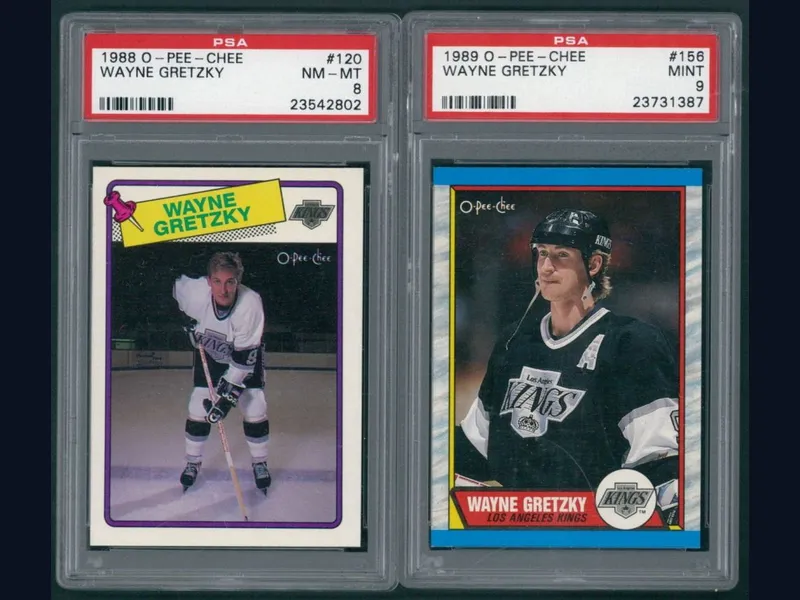
Hockey card value depends on the exact issue, player, rookie status, version, condition, grade, scarcity, demand, and matched completed sales.
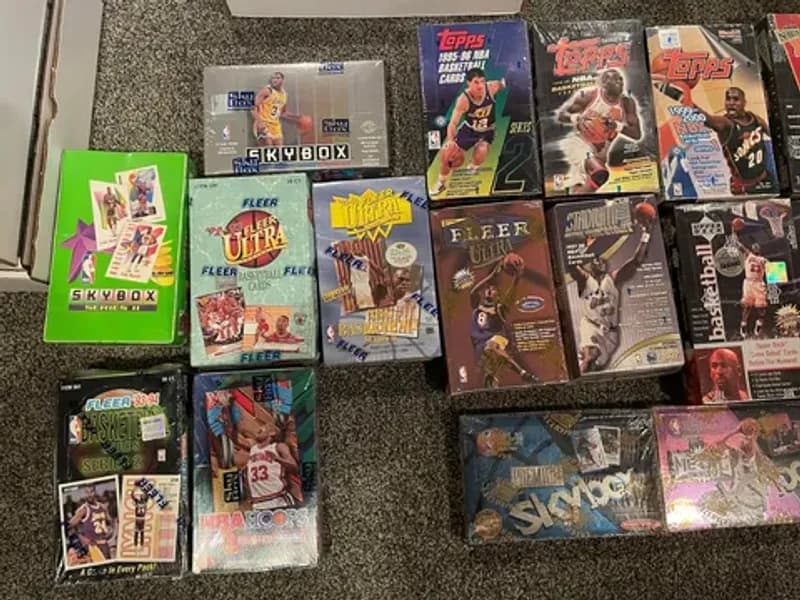
Sealed sports card value depends on the exact year, product, configuration, original seals, box condition, authenticity, possible contents, collector demand, and completed sales.
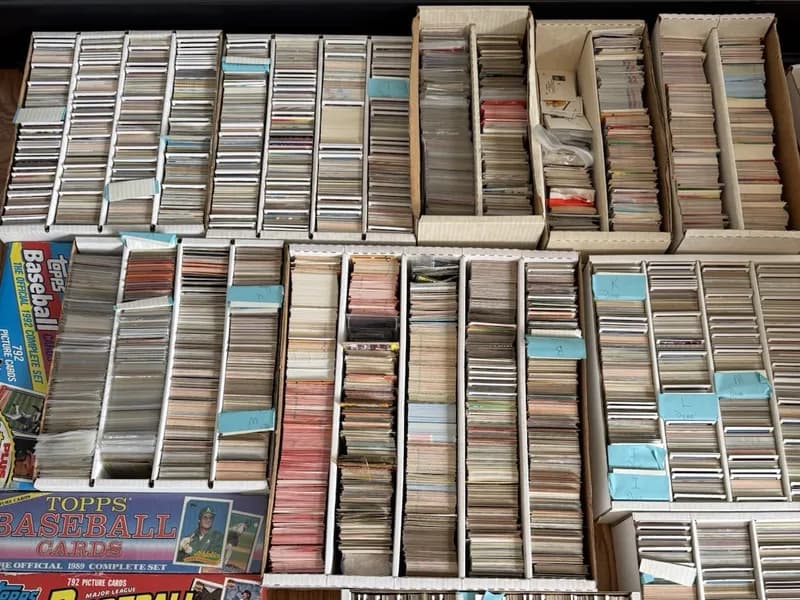
Complete-set value depends on the exact checklist, key cards, missing cards, variations, condition consistency, era, packaging, scarcity, demand, and completed sales.
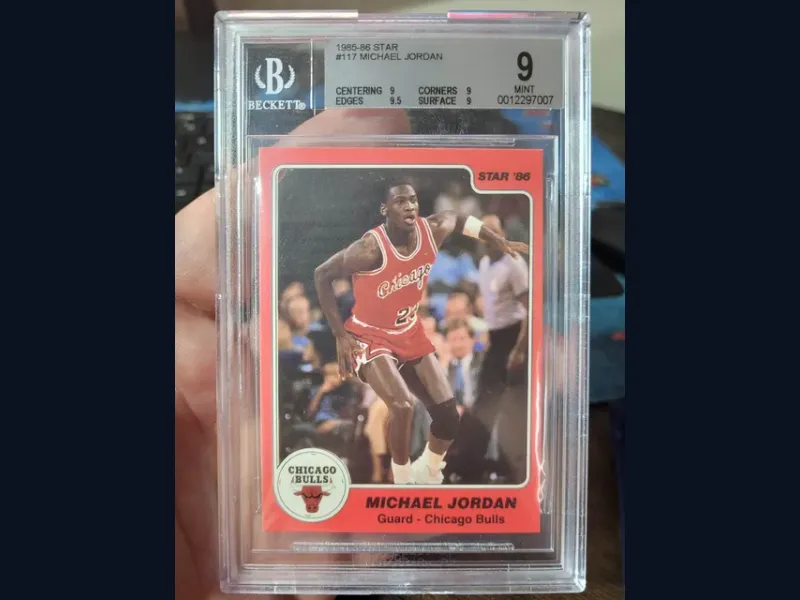
Basketball card value depends on the player, exact issue, rookie status, scarcity, condition, grade, autograph or parallel type, and recent completed sales.
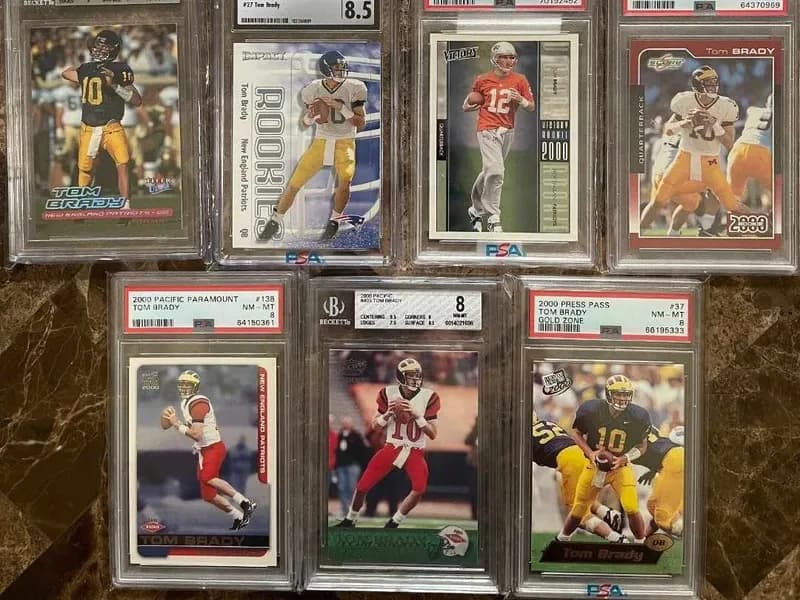
Football card value depends on the exact issue, player demand, rookie status, scarcity, condition, grade, autograph or parallel type, and completed sales.
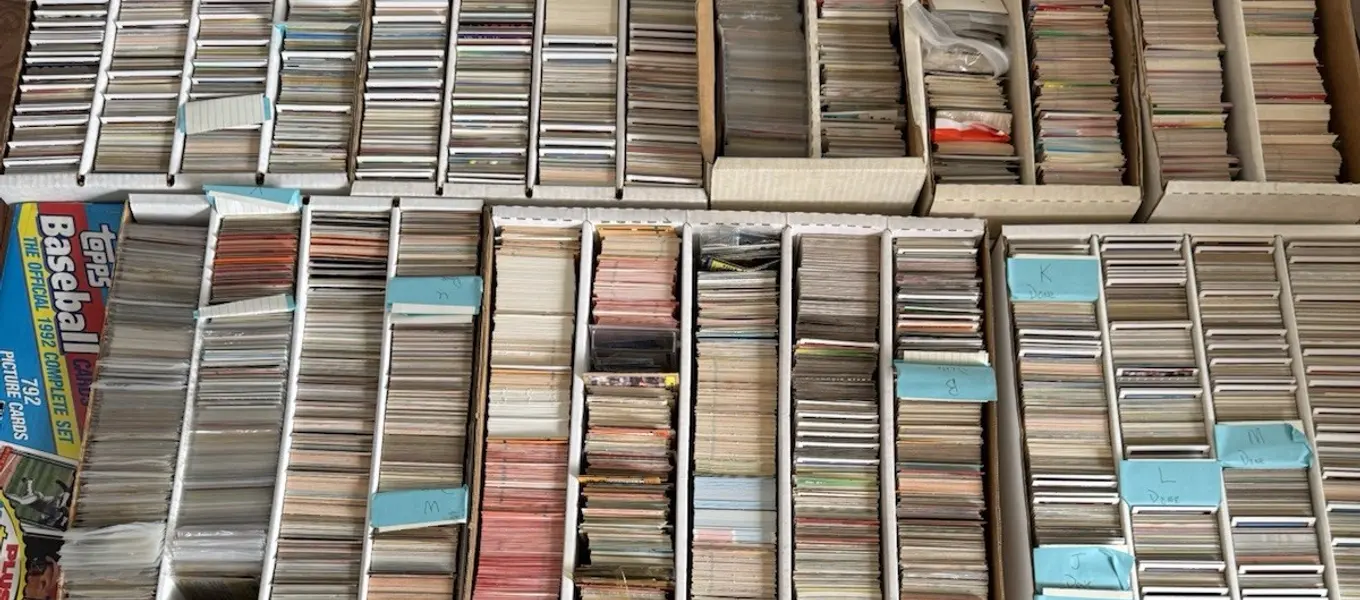
Protect inherited sports cards from moisture, heat, sunlight, pressure, pests, handling, and lost documentation while the family decides what to keep or sell.
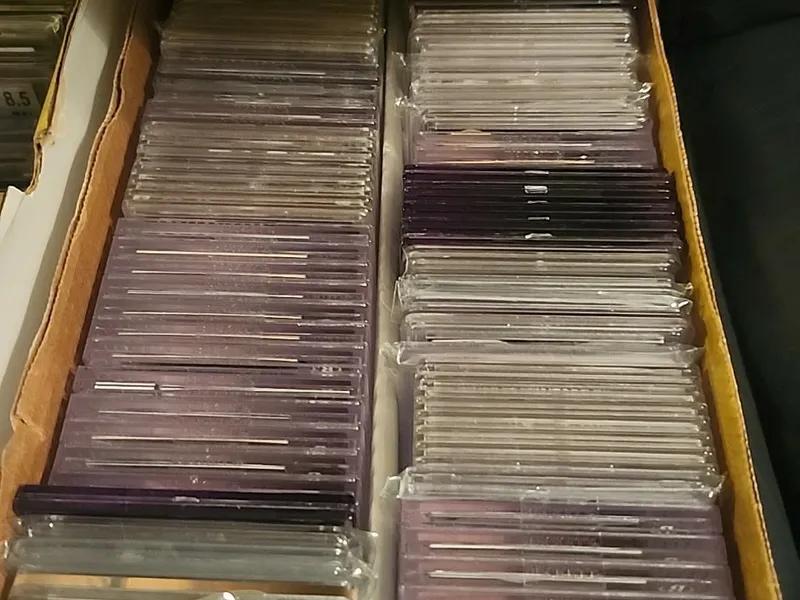
Estimate an inherited collection by documenting its scope, identifying representative groups, checking likely highlights, and using matched completed sales without pricing every card.
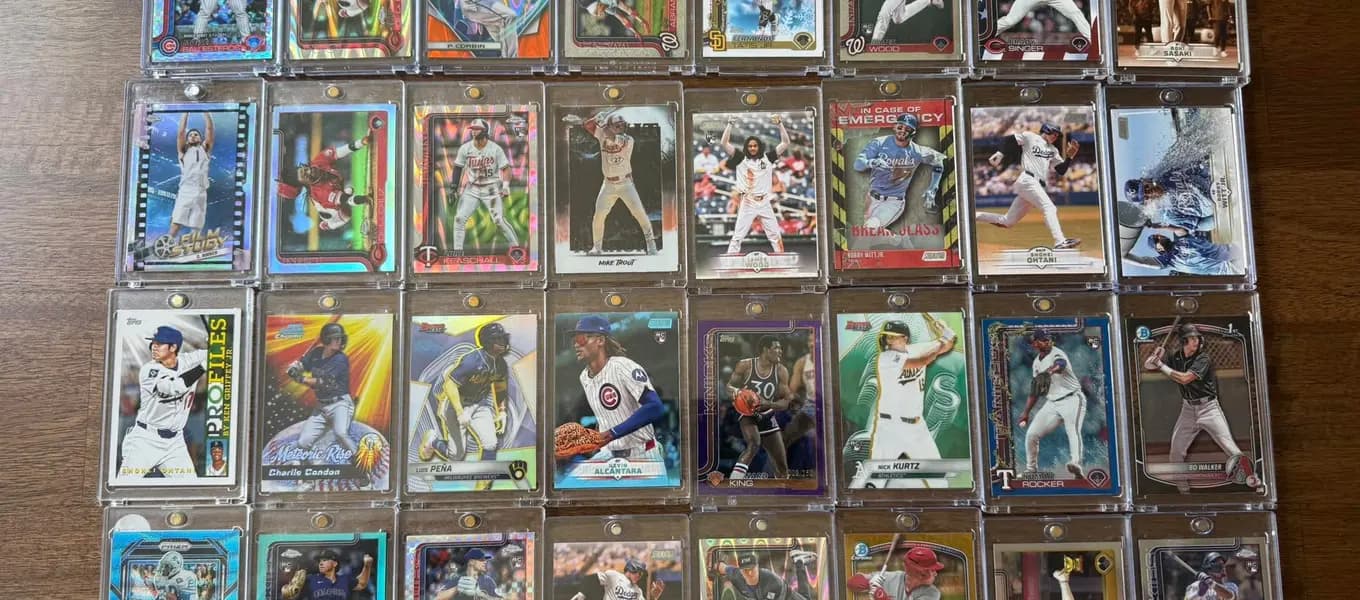
Use the player, year, manufacturer, set, card number, variation, parallel, serial number, and grading label to identify the exact sports card.

Check centering, corners, edges, surface, print quality, creases, stains, and alteration before comparing the value of raw or graded sports cards.
A direct collection offer differs from projected retail sales because the buyer takes on fees, labor, storage, time, condition risk, and unsold inventory.
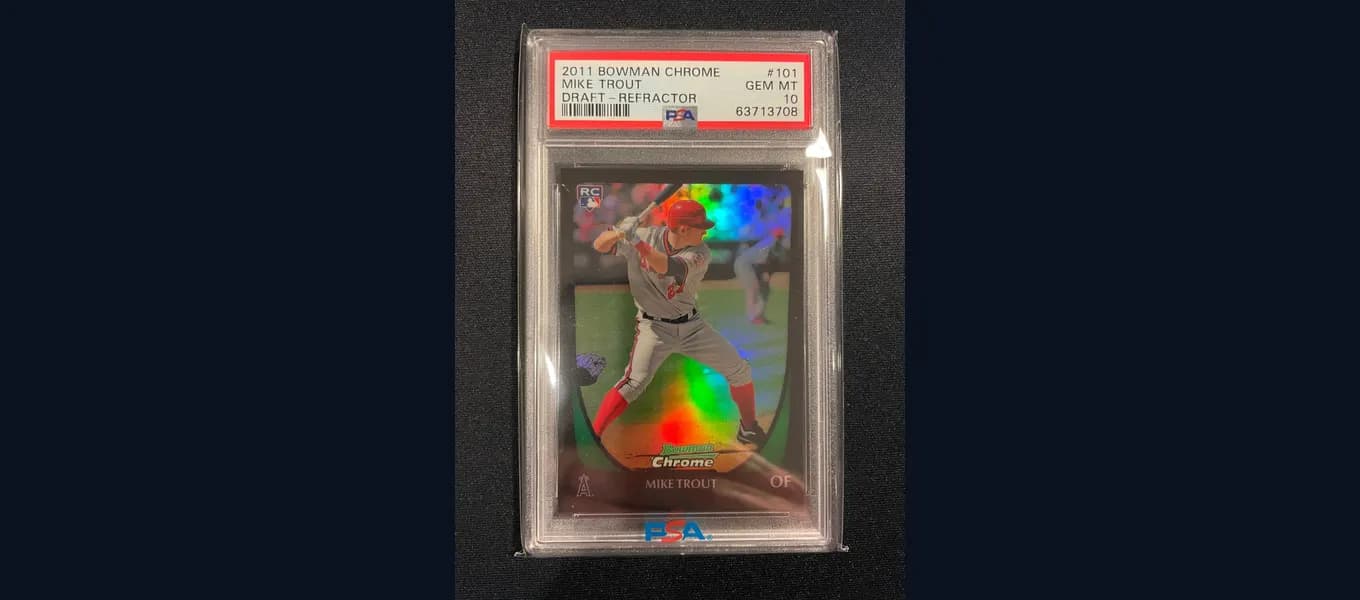
Find useful completed sales by matching the exact card, grade, condition, sale date, and accepted-offer context instead of relying on asking prices.
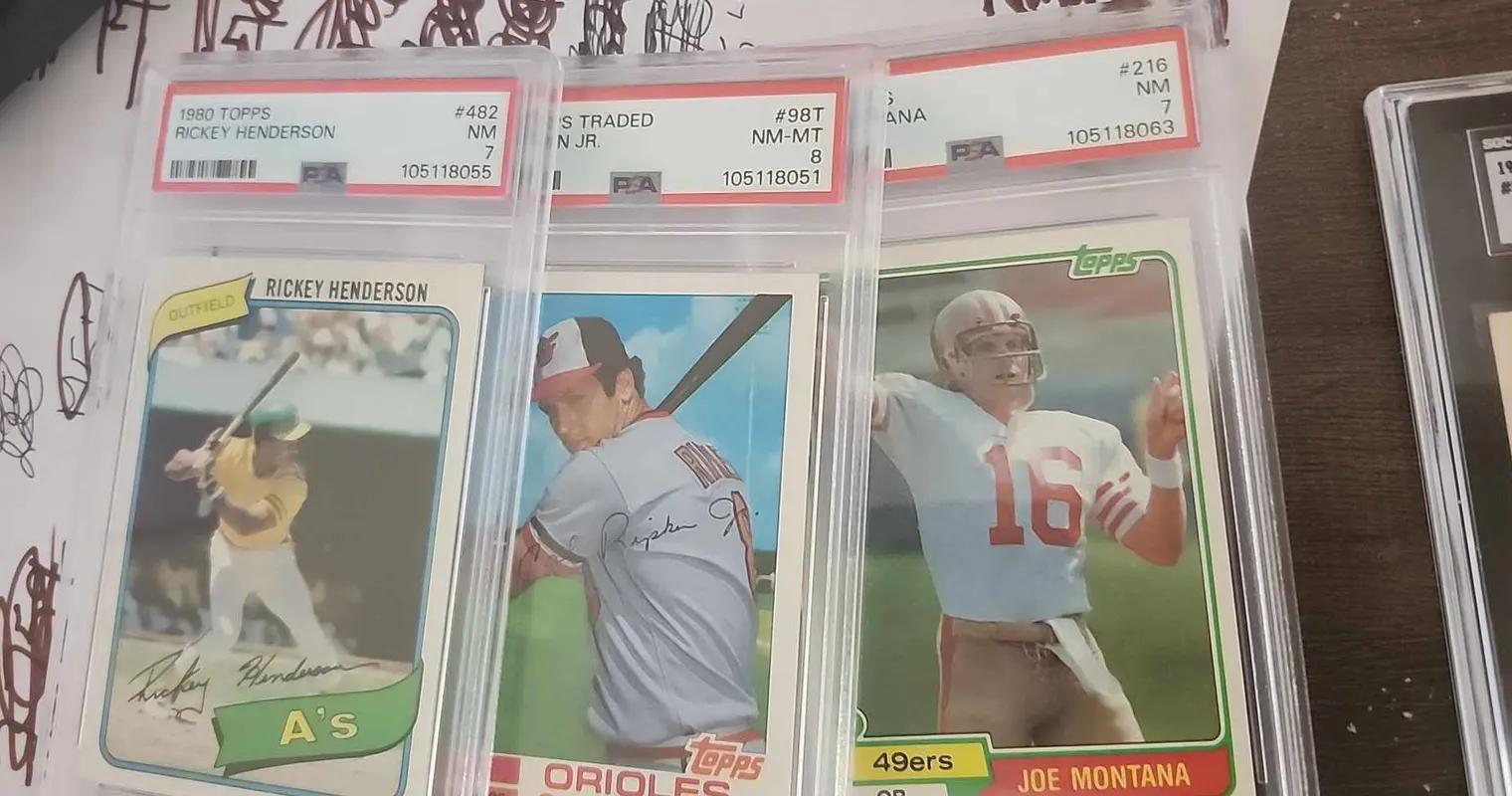
Compare consignment and specialty auctions with a direct cash sale by card fit, audience, commission, timing, control, workload, payment, and uncertain results.
Compare eBay's retail price ceiling with a direct cash offer after fees, listings, account trust, shipping, returns, time, risk, and unsold cards.
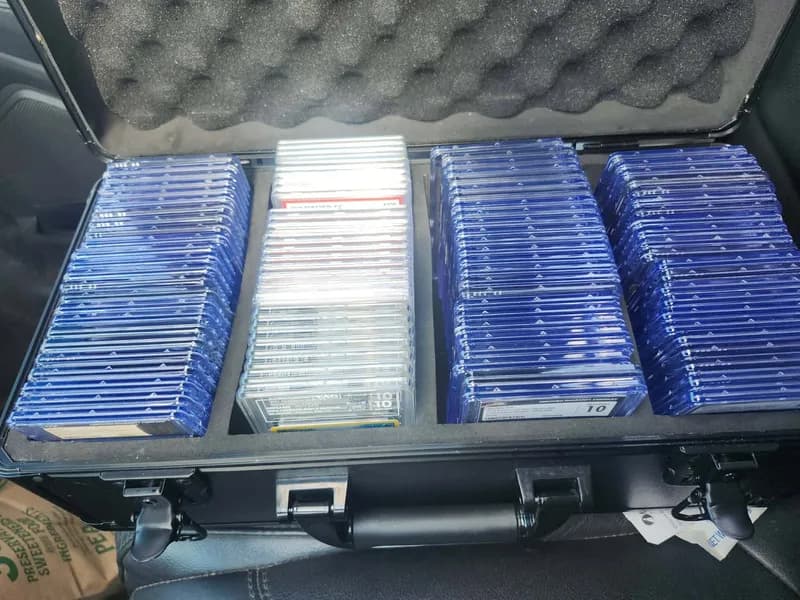
Compare storefront convenience with an in-home collection buyer by inventory fit, collection size, travel, loading, payment, and the cards each buyer may accept.
Secure boxes, preserve labels, protect valuable cards, document the collection, clear access, and confirm payment and loading before an in-person pickup.
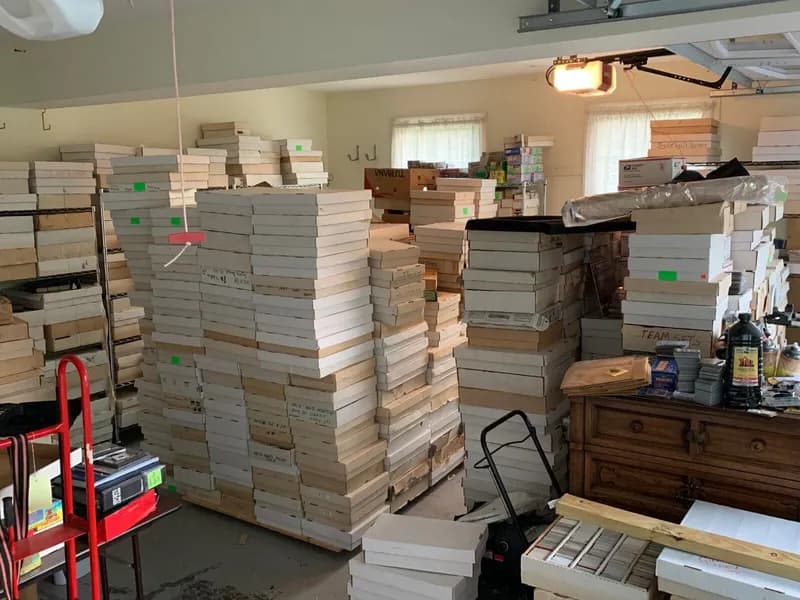
A practical plan for estimating volume, finding valuable exceptions, photographing the collection, comparing sale methods, and preparing a six-figure card count for pickup.
Sort only when it helps identify value, explain the collection, or reduce handling. Use this decision guide before spending days reorganizing boxes.
Use this checklist to verify a buyer's identity, reviews, process, evidence, payment, written terms, pickup plan, and response when something is wrong.
Compare a complete-collection sale with individual listings by expected net, labor, fees, time, risk, and the cards that may remain unsold.
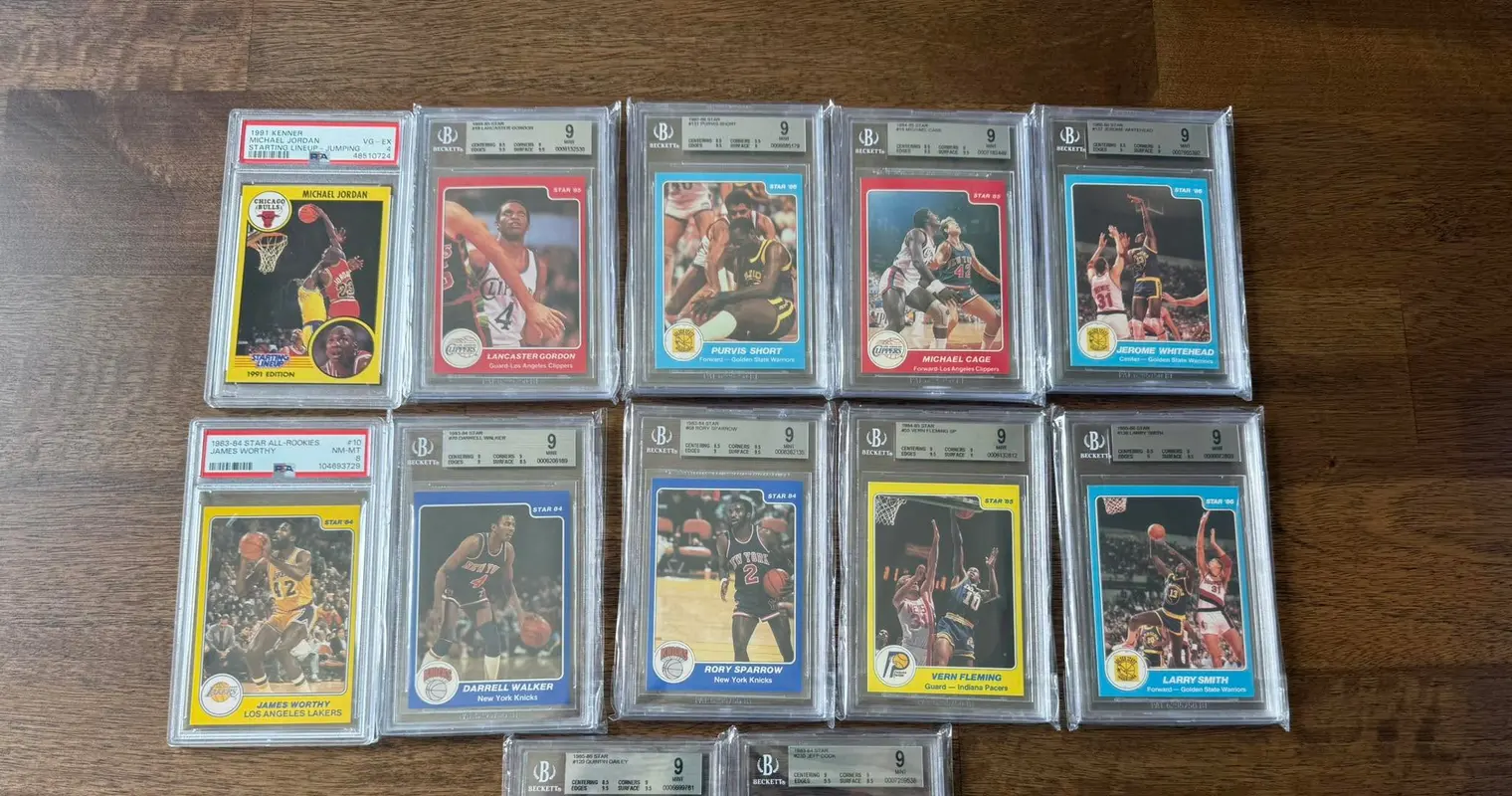
Compare direct buyers, card shops, eBay, consignment, auctions, card shows, and private sales by likely net, workload, timing, risk, and leftover cards.
Most mass-produced sports cards from the late 1980s and early 1990s have low per-card value, but valuable exceptions and large bulk opportunities still exist.
Protect the cards, find the likely highlights, decide how much research is worth doing, and choose a sale method without sorting or pricing every card.
The exact photos a buyer needs to judge collection size, eras, condition, graded cards, sealed product, and likely highlights before an in-person visit.
A step-by-step plan for deciding what you have, how much work to do, where to sell, and how to complete the sale without wasting time or missing the valuable cards.
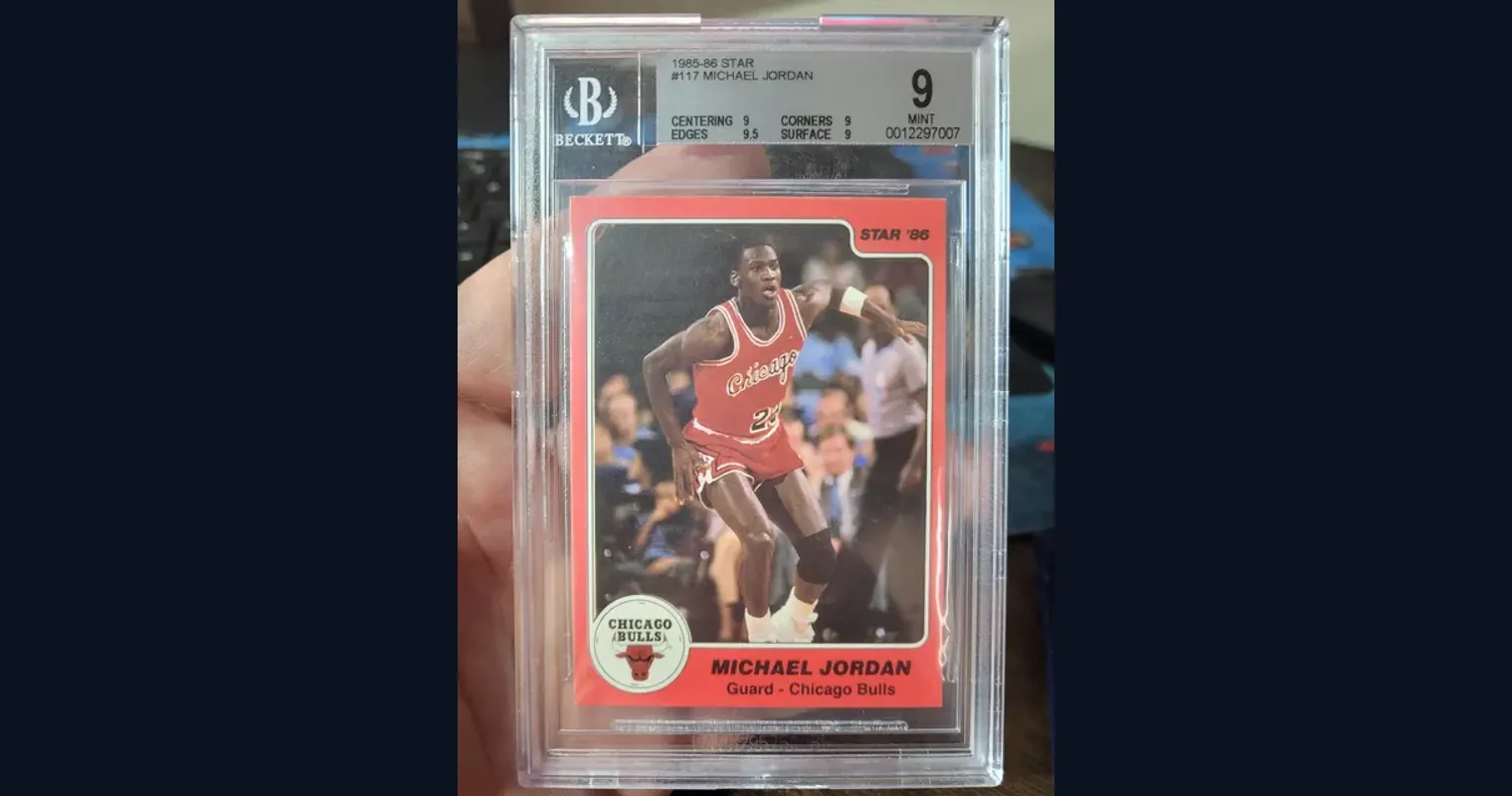
Vintage basketball value concentrates in important sets, key players, authentic cards, scarce issues, and condition. Learn how to identify the material that deserves individual review.
Grading can raise what a card brings, but not always. Here is when it pays for itself and when it does not.
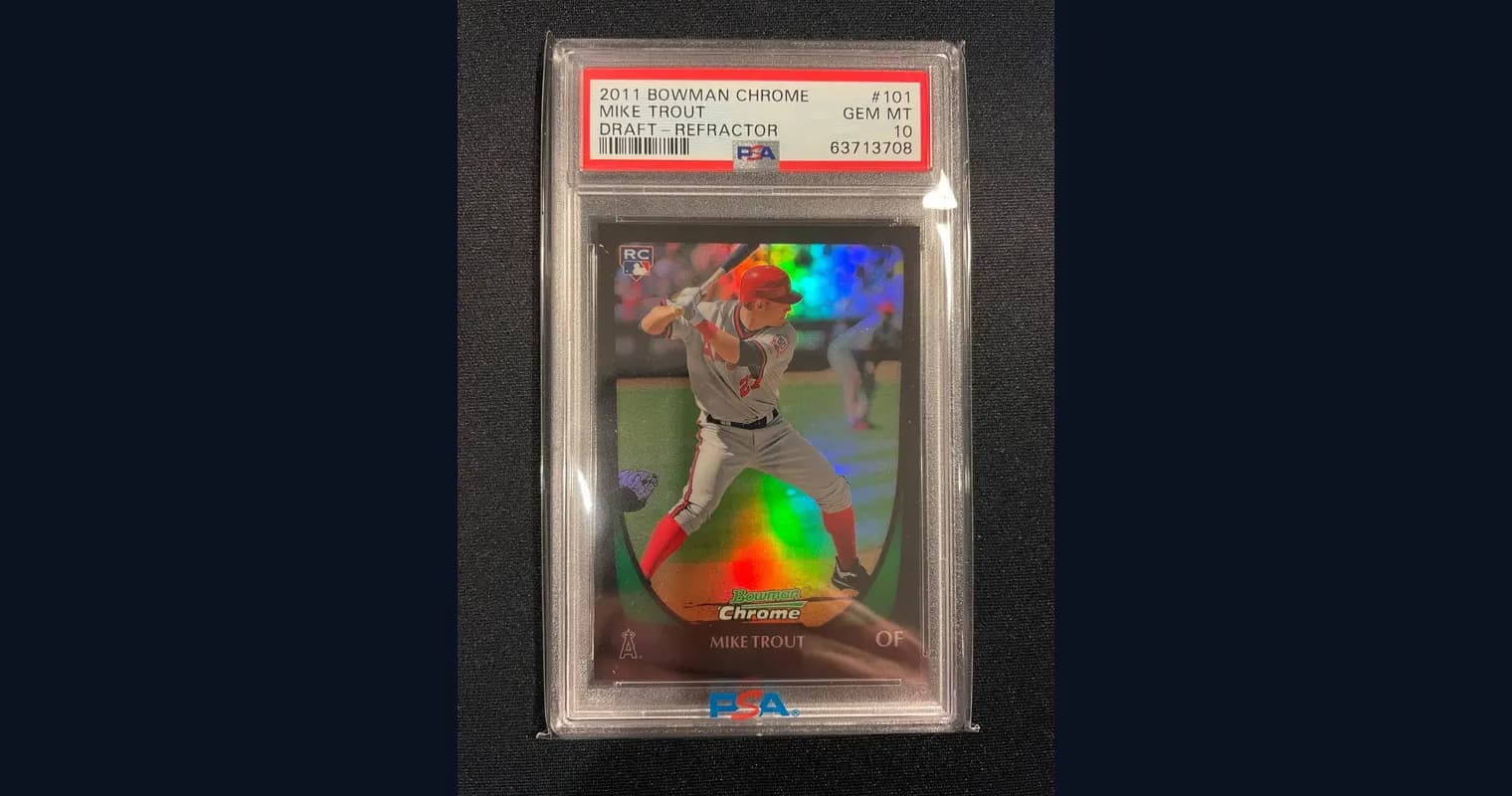
A rookie label does not establish value. Player demand, the exact issue, scarcity, condition, grade, authenticity, and recent completed sales determine which rookie cards matter.
Baseball card value depends on the exact issue, player demand, scarcity, condition, format, and completed sales. Use this era-by-era process to find the cards that deserve a closer look.
Send a few photos for a free cash offer, or call and talk it through now.