
Sports Card Consignment Or Auction Vs. A Cash Sale
Compare consignment and specialty auctions with a direct cash sale by card fit, audience, commission, timing, control, workload, payment, and uncertain results.

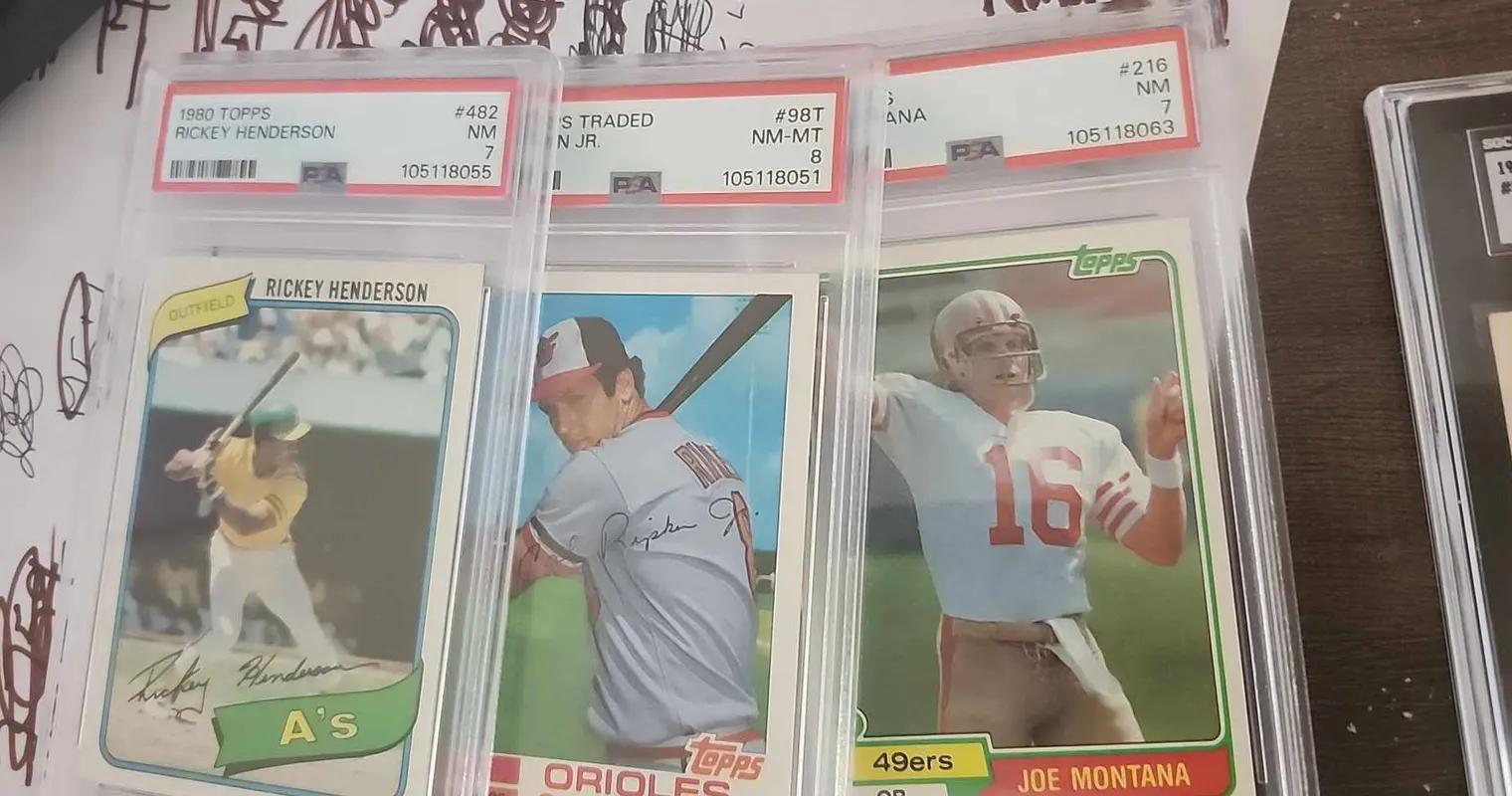
Consignment and specialty auctions can place valuable sports cards in front of a trusted audience. A direct cash sale provides a known number and transfers the selling work and market risk to the buyer.
The best fit depends on the card, the company's specialty, total fees, sale timing, seller control, and whether an uncertain final result is acceptable. A rare graded card and a mixed estate collection may need different paths.
Review the written terms before sending or surrendering any cards.
Consignment, Auction, And Cash Sale Compared
A specialist audience can add value, but commissions and timing matter. A known cash offer can be worth more to a seller who needs certainty or a complete sale.
| Factor | Consignment | Specialty Auction | Direct Cash Sale |
|---|---|---|---|
| Best fit | Cards that match the consignor's buyers | Rare or high-value material with competitive demand | Complete collections and sellers who want certainty |
| Price | Final sale price minus commission and costs | Winning bid minus seller fees and terms | Known offer before transfer |
| Timing | Listing queue, sale, return period, then payout | Catalog deadline, auction date, settlement, then payout | Payment at the agreed transaction |
| Control | Company controls listing and often price format | Company controls catalog and auction format | Seller accepts or declines the offer |
| Seller work | Select cards, submit, document, and review statements | Submit, document, and meet auction requirements | Provide photos and complete one review |
| Uncertainty | Sale price and timing may vary | Final bids may exceed or miss expectations | Seller knows the cash number before selling |
When Consignment Can Fit
Consignment can fit valuable cards when the company has proven buyers for that exact sport, era, set, or grade. The company may handle photos, listings, customer service, shipping, and collection of payment.
Check commission tiers, minimum values, insurance, grading requirements, payout timing, return handling, price reductions, and what happens when a card does not sell.
When A Specialty Auction Can Fit
An auction can fit scarce cards or focused collections that may attract several serious bidders. Catalog quality, bidder trust, promotion, and company specialization can affect the result.
Check seller fees, buyer premiums, reserves, estimates, withdrawal rules, insurance, auction dates, and settlement timing. A strong estimate is not a guaranteed final bid.
When A Direct Cash Sale Can Fit
A cash sale can fit sellers who value a known number, prompt payment, local pickup, and no unsold inventory. It can also fit a mixed collection when only part of the material meets consignment or auction minimums.
The offer accounts for the buyer's selling costs, labor, time, storage, and risk. Compare that offer with the expected consignment or auction net after every fee and delay.
Questions To Ask Before Choosing
Ask each company the same questions and request written terms. The answers should show both the possible return and the obligations you accept.
- Card fit: does this company have proven buyers for the exact material?
- Total cost: what commissions, fees, shipping, insurance, and return costs can apply?
- Timing: when will the cards sell and when can the seller receive final payment?
- Control: who sets the price, reserve, sale format, and discount schedule?
- Unsold cards: what happens and who pays when an item does not sell?
Use More Than One Channel Only When It Helps
A small group of rare cards may fit a specialist while the rest sells directly as one collection. Define those cards before requesting a complete-collection offer.
The extra path should produce enough expected net to justify the added time, terms, and uncertainty. More channels do not automatically create a better result.