
Should You Sort Sports Cards Before Selling?
Sort only when it helps identify value, explain the collection, or reduce handling. Use this decision guide before spending days reorganizing boxes.

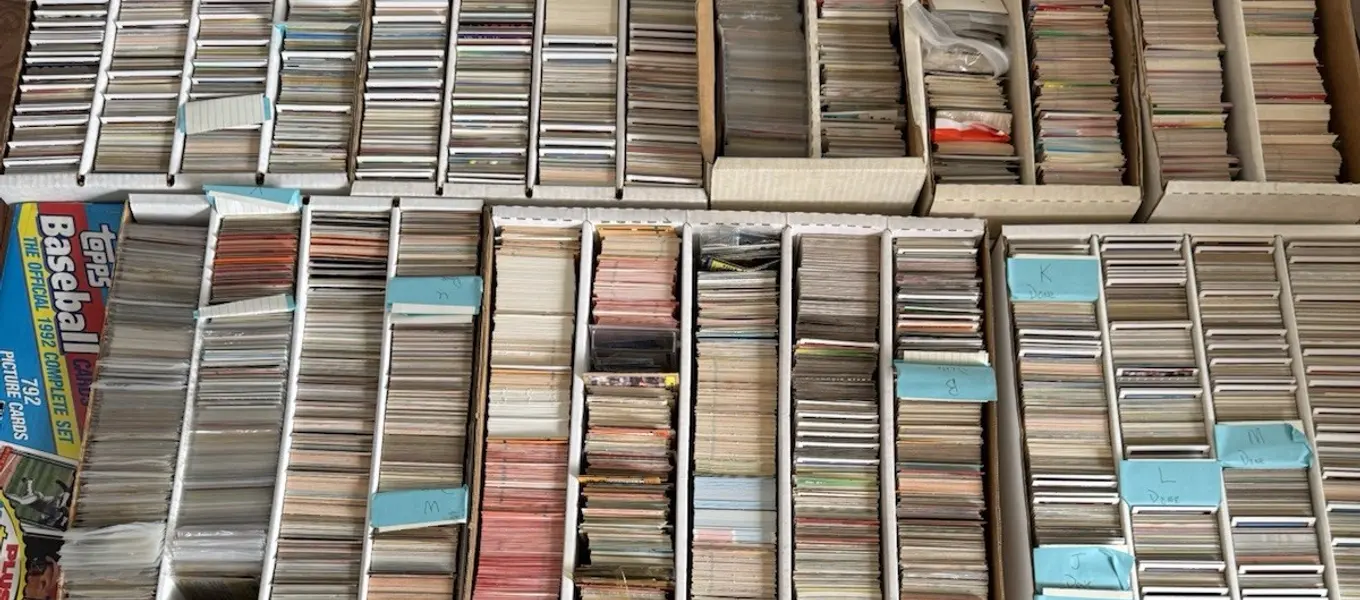
Sorting can make a sports card collection easier to explain and price. It can also consume days without changing the offer, especially when most of the cards are common material from the same era.
The goal is not perfect organization. The useful goal is to separate the groups that receive different treatment while preserving any labels and order the collector already created.
Use the collection size, existing organization, eras, likely highlights, and sales channel to decide how much work makes sense.
When Sorting Usually Helps
Sorting helps when a small amount of work makes the card mix clearer. A buyer can review an organized group faster and can see when cards deserve more than a common-card rate.
- Mixed sports: separate baseball, basketball, football, hockey, soccer, wrestling, UFC, and other sports when the boxes are heavily mixed.
- Mixed eras: pull pre-1980 cards and older sets away from modern or mass-produced base cards.
- Clear highlights: group graded cards, sealed product, autographs, numbered cards, major rookies, and cards already in better holders.
- Existing labels: keep set, year, player, team, and insert groups intact when the collector already organized them.
When Sorting Usually Does Not Pay
Do not spend weeks alphabetizing common cards or putting every card into a new sleeve for a complete-collection sale. The labor can exceed any change in the offer.
Leave factory sets, labeled boxes, complete player runs, and binder pages together. Breaking those groups apart can remove context and make the collection harder to review.
How Much Sorting Fits Each Sales Channel
The sales method determines the useful level of organization. Individual listings require exact identification, while a direct collection sale relies more on representative groups and clear highlights.
| Sales Plan | Useful Sorting | Work To Avoid |
|---|---|---|
| Sell cards individually | Identify each listed card by year, set, number, variation, and condition | Sorting cards that will not earn enough to list |
| Consignment or auction | Separate cards that meet the company's value and category rules | Sending low-value cards outside the company's focus |
| Card show or private sale | Group by player, price, sport, or product for quick browsing | Transporting large unpriced groups without a plan |
| Complete collection buyer | Separate clear highlights and preserve existing organization | Rebuilding every box or counting every common |
A Practical One-Hour Sort
Set a time limit and work from broad groups to narrow ones. Stop when the next hour is unlikely to change the buyer's view of the collection.
- First pass: identify the sports, years, box count, binders, graded cards, and sealed products.
- Second pass: pull pre-1980 cards, major stars, rookies, autographs, numbered cards, and rare-looking inserts.
- Third pass: photograph the full collection, representative rows, labels, and the groups you pulled.
- Final step: contact the buyer and let its questions determine whether more sorting is useful.
Do Not Clean Or Alter Cards
Sorting means grouping and labeling, not changing the cards. Do not erase marks, flatten creases, trim edges, apply chemicals, or remove cards from sealed products.
Keep high-value cards in safe holders and handle them as little as possible. Honest condition and preserved organization help more than cosmetic work.