
How To Sell 100,000 Sports Cards
A practical plan for estimating volume, finding valuable exceptions, photographing the collection, comparing sale methods, and preparing a six-figure card count for pickup.

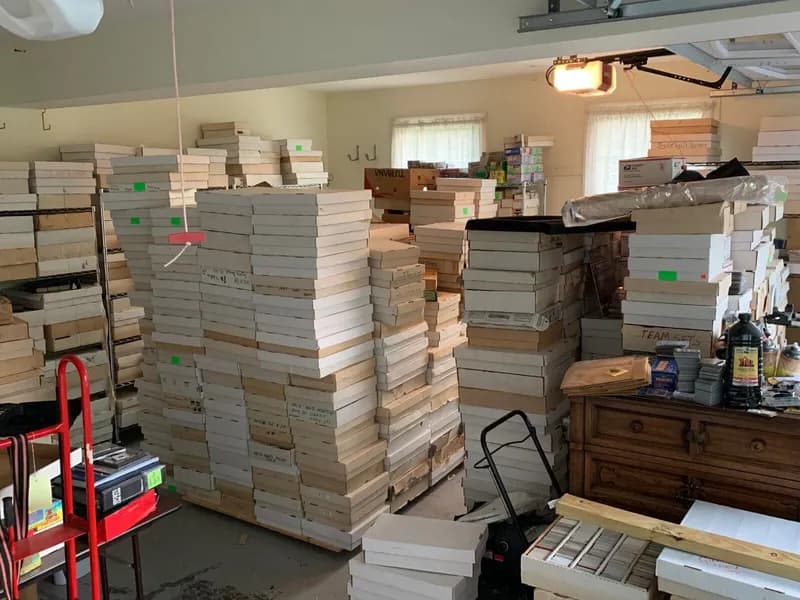
A collection of 100,000 sports cards is a logistics project as well as a card sale. The seller needs a useful count, a clear picture of the eras and sports, a way to show likely highlights, and a buyer that can move the full amount.
You do not need to inventory every card. A representative review can show where the value is concentrated and whether the rest fits published bulk categories.
For bulk made mostly before 2010, 100,000 cards is also a useful starting point for an in-person pickup. The total still depends on condition, card mix, distance, organization, and stronger cards.
Estimate The Card Count From The Containers
Count the boxes first, then use their stated capacity as a rough guide. A full 5,000-count box may hold fewer modern cards because thicker stock and inserts take more space.
List the number of 5,000-count boxes, 3,200-count boxes, smaller set boxes, binders, totes, graded-card cases, and sealed cases. A rough range is more useful than an exact claim that cannot be checked.
Separate Volume From Value
Card count tells a buyer how much labor, vehicle space, and storage the collection requires. It does not reveal whether the cards are common base, vintage stars, modern hits, graded cards, or sealed product.
Pull the groups that should not be counted at a common-card rate. Pre-1980 cards, major rookies, autographs, numbered cards, rare parallels, graded cards, and sealed products deserve clear photos.
Photograph The Collection By Zone
Take wide photos of every room, shelf, and stack. Then photograph representative open boxes from each labeled section so the buyer can see how the card mix changes across the collection.
- Scale photos: show the full room, shelves, totes, and box stacks.
- Box photos: show open rows, labels, dividers, and a few card backs.
- Highlight photos: show older cards, graded cards, sealed product, autographs, numbered cards, and major stars.
- Condition photos: show water, mold, smoke, crushing, pests, or cards stuck together.
Compare A Complete Sale With Smaller Lots
Breaking 100,000 cards into hundreds of small lots may raise gross sales, but it also creates months of sorting, listings, packing, and leftovers. A complete sale transfers that workload and storage problem to one buyer.
A hybrid can work when a small number of exceptional cards have enough extra expected net to sell separately. The bulk still needs a clear plan so it does not remain after the valuable cards are gone.
What If You Have 20,000 Modern Cards?
A collection from 2010 forward may qualify at about 20,000 cards because value can be more concentrated in autographs, numbered cards, parallels, inserts, and active rookies. Product quality and card mix matter more than the count alone.
Photograph the modern highlights and representative base cards separately. A buyer needs to see whether the collection is mostly common retail base or includes hobby products and stronger chase cards.
Qualify The Buyer And The Trip
Ask whether the buyer purchases the entire collection, which bulk categories it accepts, how it uses completed sales, and what can change the offer during inspection. Confirm payment, travel, vehicle capacity, loading, stairs, and whether one trip will be enough.
Distance must match likely purchase value. Better cards may justify a longer trip, while a bulk-only collection may need enough volume to support travel and handling.
Prepare For Pickup Without Repacking Everything
Keep the collection in its current labeled boxes unless a box is unsafe to move. Secure loose lids, protect valuable cards, clear a path, and tell the buyer about access problems before the scheduled visit.
The seller should not need to carry the full collection to a shop or ship it. A traveling buyer can inspect it in place, agree on one price, and plan the loading around the actual volume.