
What To Do With An Inherited Sports Card Collection
Protect the cards, find the likely highlights, decide how much research is worth doing, and choose a sale method without sorting or pricing every card.

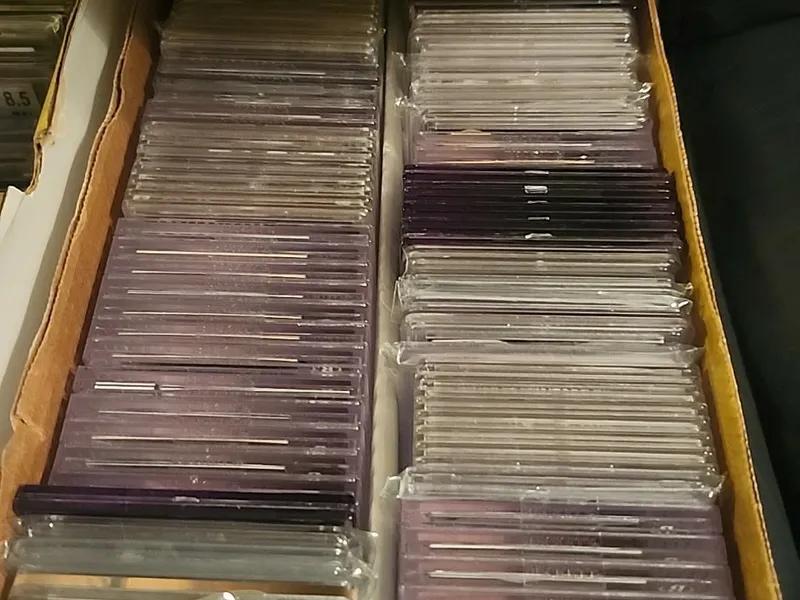
An inherited sports card collection often arrives with no inventory and no clear value. The owner may have known every set and player, but the family now sees boxes, binders, and labels that mean very little.
You do not need to become a collector before you make a sound decision. Protect the cards, gather a few facts, find the likely highlights, and decide whether time or convenience matters more to the estate.
The goal is not to price every card. It is to prevent damage, avoid giving away the strongest cards, and choose a sale process that fits the collection and the family.
First, Leave The Organization Intact
Do not shuffle boxes together or remove cards from labeled sets and player groups. The collector's labels can preserve years of useful sorting and can help a buyer find the valuable sections faster.
Keep receipts, old inventory lists, grading paperwork, auction records, and notes with the collection. They may identify important purchases, but old price guides and insurance figures should not be treated as current sale value.
Protect The Cards Before Research
Move the collection away from water, damp basements, direct sunlight, extreme heat, and pests. Keep boxes off bare concrete and do not stack more weight on binders or display cases.
Do not clean cards, flatten creases, erase marks, trim edges, or open sealed boxes. Attempts to improve appearance can cause damage or create alteration concerns that reduce value.
Find The Main Value Signals
Start with the years and the groups the collector protected most carefully. Cards in graded holders, display cases, separate small boxes, and top loaders often deserve a closer look, though the holder alone does not prove value.
- Older cards: pull pre-1980 material and note the years, sports, and major players.
- Graded cards: record the grading company, card description, and numerical grade.
- Sealed product: keep it closed and photograph the box, wrapping, seals, and condition.
- Modern highlights: look for autographs, serial numbers, rare parallels, short prints, and top rookies.
- Large bulk groups: estimate the number and size of boxes without counting every card.
Choose How Much Research Is Worth Doing
Research the strongest cards first. Use completed sales that match the exact card and grade. Stop when the extra research time will not change the sale method or the estate's decision.
A full inventory can make sense for a small group of valuable cards. It rarely makes sense for tens of thousands of common cards unless the family plans to sell them individually over a long period.
Compare The Sale Options
Strong individual cards may fit an auction, consignment service, or direct online sale. A complete collection buyer may fit better when the family wants one transaction, in-person pickup, and no leftover boxes.
Ask every buyer what is included in the offer, how payment works, whether the offer can change, and who handles loading. Check the business identity, public reviews, and written terms before transferring the cards.
Prepare For A Collection Buyer
Photograph the full collection first. Then send representative box rows, labels, older cards, graded cards, sealed product, and obvious highlights. Include the city, rough card count, storage details, and the family's preferred timing.
You can ask for a buyer evaluation without promising to sell. A buyer can explain what drives the offer, but that evaluation is not a certified appraisal for tax, probate, insurance, or legal use.
What You Do Not Need To Do
You do not need to memorize the hobby, buy new supplies for every card, grade the collection, or create a spreadsheet with thousands of rows. Those steps can cost more time and money than they return.
Preserve the organization, show the scope, and focus on the likely value. That gives the family enough information to choose a sale method without turning the inheritance into a second job.