
Which Vintage Basketball Cards Are Worth Money?
Vintage basketball value concentrates in important sets, key players, authentic cards, scarce issues, and condition. Learn how to identify the material that deserves individual review.

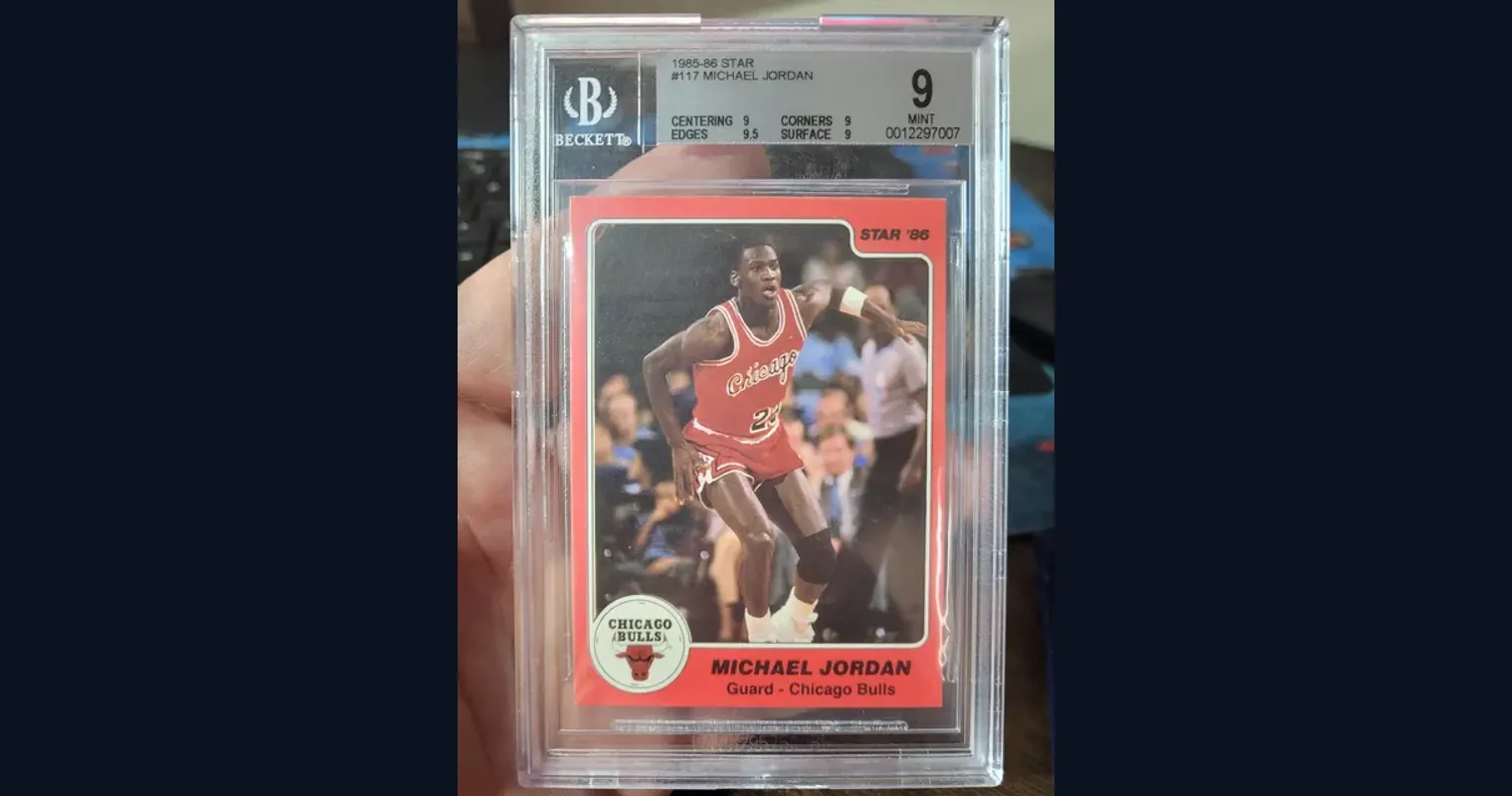
Vintage basketball cards can have strong value when an important player, desirable issue, limited surviving supply, authenticity, and condition come together. The word vintage alone does not make every card expensive.
Basketball card production was not continuous across the early decades. Several landmark sets carry much of the demand, and the years between mainstream releases can make exact identification especially important.
Start with the year and set, then identify the player and card number. Check authenticity and condition before comparing raw or graded completed sales.
What Counts As Vintage Basketball
For this guide, vintage basketball covers the major issues through 1986-87 Fleer. Later basketball belongs in the broader basketball-value guide because production, product structure, inserts, and parallels changed quickly after that point.
The boundary is a content rule rather than a claim that every pre-1987 card is scarce. Player, set, authenticity, and condition still decide whether a specific card has meaningful demand.
The Major Vintage Basketball Set Groups
Collectors focus on a relatively short group of national releases and licensed issues. Confirm the set from both sides of the card because reprints and similar designs exist.
| Period | Set Group | What To Check |
|---|---|---|
| 1940s and 1950s | Early Bowman and Topps basketball | Key players, rookie issues, card dimensions, authenticity, and condition |
| 1961-62 | Fleer basketball | Major rookie cards, stars, in-action cards, centering, and print quality |
| 1969-70 through 1981-82 | Topps basketball | Tall-boy formats, key rookies, stars, regional panels, and condition |
| 1983-84 through 1985-86 | Star basketball | Exact year, team set, card number, authenticity, and grading context |
| 1986-87 | Fleer basketball and stickers | Key rookies, stars, centering, print defects, and authenticity |
Players And Historical Demand
Key cards of historically important players receive more demand than commons from the same set. Michael Jordan, Bill Russell, Wilt Chamberlain, Kareem Abdul-Jabbar, Julius Erving, Larry Bird, Magic Johnson, Oscar Robertson, Jerry West, and Pete Maravich are examples that deserve close identification.
The player name alone does not set the price. A later-career base card, rookie-era card, scarce issue, and reprint of the same player are separate objects with separate markets.
Why Exact Identification Matters
Vintage basketball cards can differ by issue, panel, sequence, team bag, sticker, card number, or regional format. Record every printed detail and compare both sides with a reliable checklist.
Star basketball requires special care because card identity and authenticity can affect whether a sold result is relevant. Do not assign a card the price of a graded authentic example until the exact issue is confirmed.
Authenticity Reprints And Alteration
Popular vintage basketball cards have been reprinted and counterfeited. Added gloss, trimming, recoloring, rebuilt corners, and other alterations can also change how buyers or grading companies treat a card.
Photograph the front, back, edges, dimensions, and any holder label. Do not clean or alter the card while trying to test it.
Condition And Vintage Basketball Value
Centering, corners, edges, surface, stains, creases, print quality, and paper loss all matter. Tall cards, bagged team sets, and older printing can create condition patterns that differ from current cards.
Important cards can retain demand in lower grades, so damage does not always remove all value. Match raw cards with similar raw copies and graded cards with the exact grading company and numerical grade.
When Grading May Help
Third-party grading can provide authentication and a condition opinion, which may help important vintage cards. It does not guarantee that the higher sale price will exceed the fees, shipping, delay, and grade risk.
Use completed sales across several credible grade outcomes before submitting. Do not make the decision from the highest grade on record.
How To Review A Vintage Basketball Collection
Preserve labels, team-set bags, binders, and existing order. Pull vintage groups and likely stars for closer review without separating cards from packaging that helps establish the issue.
- Identify the set: use the year, manufacturer, design, back, card number, and format.
- Separate key players: pull stars and rookie-era cards while keeping the remaining set order intact.
- Inspect condition: use bright indirect light and check both sides without removing safe existing holders.
- Check authenticity: treat high-demand cards and Star issues carefully when reprints or counterfeits are possible.
- Match completed sales: compare the exact issue, raw condition, grading company, grade, and sale date.
Selling Vintage Basketball Cards
A small number of key cards may carry most of a collection's value. The remaining cards can still add value as a set, team group, player group, or organized vintage lot.
Send photographs of both sides of the likely highlights and wide images of the complete collection. We buy vintage basketball alongside later basketball, graded cards, sealed products, and bulk in one possible transaction.